
How Top D2C Brands Are Building Strong Customer Relationships Using UGC, Influencers, and Community-Led Marketing
Direct-to-consumer (D2C) marketing has grown into a massive industry, now valued at over $134 billion. This growth shows the huge opportunity it offers for brands. By selling directly to customers using user-generated content (UGC), brands can remove intermediaries, improve customer experiences, and increase their profit margins.
Earlier, D2C marketing mainly revolved around basic online stores, especially in the ecommerce space. Today, the focus has shifted. Brands are now building strong communities around their products, and UGC has become a key part of this approach.
UGC helps D2C brands in many ways. It builds trust, improves customer loyalty, and creates deeper connections with audiences. Instead of being just buyers, customers now play an active role by sharing content, shaping brand stories naturally, and driving long-term growth.
In this blog, we break down why more brands are adopting the D2C model and the benefits it offers. We also share real D2C marketing examples from brands that are leading the space. Finally, we explore how influencer marketing can elevate your D2C strategy and help you connect with the right audience at scale an approach we at Idiotic Media specialize in.
Key Benefits of the D2C Business Model
The D2C model isn’t a passing trend it’s becoming a long-term way brands connect with their audiences. By bringing customers, creators, and influencers into the marketing journey, brands are using technology in a smart and impactful way.
The advantages and growth opportunities that come with D2C are significant. Here’s what makes this model so powerful:
D2C Improves Brand Control
One of the biggest advantages of the D2C business model is the level of control it gives brands. Instead of depending on retailers, brands can shape how they present themselves and stand out in competitive markets. D2C allows companies to manage customer relationships directly, without handing that responsibility to third parties.
This direct control ensures a consistent brand experience across every touchpoint. Since there are no middlemen involved, brands can maintain the same tone, service quality, and messaging something we often see in successful D2C marketing examples.
D2C Builds Stronger Customer Relationships
D2C also helps brands create deeper and more meaningful relationships with customers. By skipping traditional retail channels, brands get direct access to their audience and can engage with them more personally.
Over time, customers start feeling like part of the brand’s community rather than just buyers. This sense of belonging becomes even stronger when brands combine D2C with influencer-led strategies and D2C influencer marketing, where creators act as trusted voices for the brand.
D2C Provides Better Data Insights
Another major benefit of the D2C model is access to first-party data. Brands gain clear visibility into customer behavior, preferences, and buying patterns without relying on third-party platforms. This makes it easier to refine marketing and growth strategies.
Better data control helps brands with:
- Planning long-term and sustainable product launches
- Targeting specific audiences like Gen Z more effectively
- Investing in campaigns with higher returns
- Comparing retailer-led sales with direct brand channels
- Identifying the right creators and influencers for branded UGC and D2C influencer marketing
D2C Helps Brands Increase Profit Margins
By removing intermediaries, the D2C business model allows brands to protect and improve their margins. There’s no need to spend on expensive retail setups or share profits with distributors. Instead, brands can focus on production, direct sales, and delivery.
With fewer layers in the supply chain, operations become more efficient and cost-effective. Many top D2C marketing examples show how brands use this model to scale faster while keeping costs under control.
Top D2C Brands Driving Growth with D2C UGC
Considering the advantages of both user-generated content and direct-to-consumer marketing, many brands are now bringing the two together to create stronger results. When done right, this combination helps businesses scale faster, often turning small brands into large, well-known names serving millions of customers worldwide.
Here are some case studies:-
Gymshark
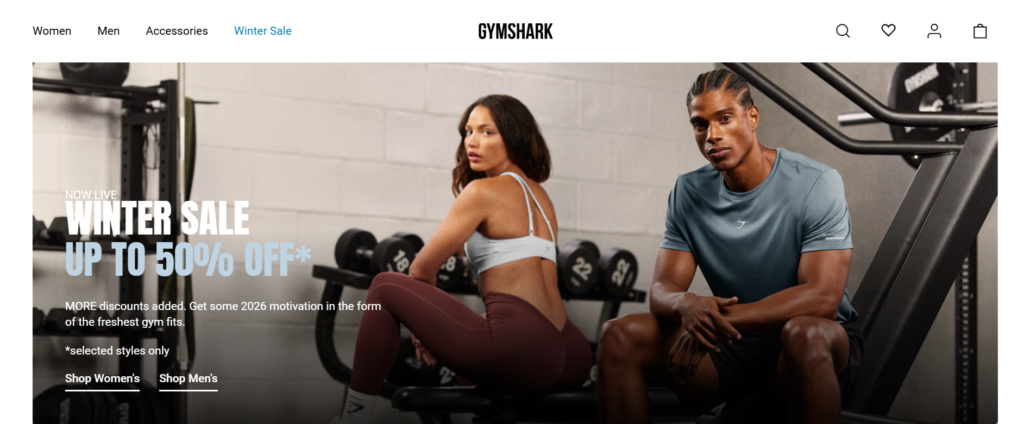
Gymshark is one of the strongest real-world examples of how D2C UGC work together successfully. The fitness apparel brand follows a community-first strategy, where its own audience helps promote products across social media, reaching millions of people organically.
Founded in 2012, Gymshark initially connected with its audience through fitness and industry events. Founder Ben Francis invested his personal savings earned from his pizza delivery job into securing prime spots at fitness expos. These face-to-face conversations with gym enthusiasts helped him build early trust, and the brand reportedly generated over $42,000 in sales in a single day after gaining attention.
From the very beginning, Gymshark focused heavily on building strong customer relationships. This naturally led to the brand’s first wave of user-generated content. It hosted meet-ups, fitness expos, and even launched a global tour in 2016, documenting the journey through a YouTube series that strengthened its community presence.
As the brand grew, Gymshark leaned into ambassador and influencer-led marketing. It recognized early on that seeing real people use its products in the gym would create stronger trust than traditional ads. This influencer-driven UGC became a core part of its D2C marketing strategy.
Eventually, Gymshark expanded aggressively on TikTok, where one of its UGC-led campaigns crossed 8 billion views, featuring customers working out and dancing in Gymshark apparel. The brand also launched the #Gymshark66 challenge, encouraging people to commit to a 66-day lifestyle change while wearing its products.
This D2C UGC strategy worked because it highlighted real customers experiencing real results. By watching people like themselves use Gymshark products, potential buyers could easily picture how the brand would fit into their own fitness journey.
Away

Away is another strong example of a brand that successfully used D2C and UGC together. This success wasn’t accidental. The founders of Away were part of the original Warby Parker team, which gave them early experience in using user-generated content effectively within a direct-to-consumer model.
The brand launched in 2016 and quickly gained traction, generating over $12 million in revenue in its early phase. By 2018, Away had already sold more than 500,000 suitcases and travel accessories.
So, what helped Away stand out in such a competitive category? The answer lies in a mix of strategies selling directly to consumers, building a strong brand story, creating a sense of community, and consistently delivering a premium customer experience.
One of Away’s early wins came from a simple yet powerful UGC campaign. The brand encouraged customers to share photos of their travels using Away luggage on Instagram. This campaign resulted in over 4.5 million views from just 325 pieces of content. Seeing real travelers use the products inspired others to imagine themselves doing the same.
As Away recognized the impact of UGC in a D2C setup, it scaled these efforts further. The brand focused heavily on growing its Instagram community and encouraged sharing as a natural habit among followers, helping every post reach a wider audience. Today, Away stands as one of the most successful global luggage brands driven by community-led D2C marketing.
How Influencer-Led Campaigns Support D2C Growth
D2C strategies work well on their own for the reasons discussed above. However, when combined with influencer marketing, they become even more powerful. For many brands today, this combination has become one of the most effective ways to build long-term visibility, trust, and growth. Here’s why influencer marketing strengthens D2C efforts:
Cost-effective growth:
Working with influencers helps brands go to market without heavy spending. Instead of relying only on paid ads, brands can collaborate with creators to reach their audience organically or at a much lower cost.
Stronger community engagement:
Direct brand messaging can create awareness, but influencer-led content often connects more deeply. Audiences are more likely to engage emotionally with UGC and creator content than with polished brand advertisements.
Higher traffic and conversions:
Influencer marketing often leads to better conversion rates. Potential customers tend to trust recommendations from creators and real users more than traditional brand-led promotions.
Improved brand credibility:
When customers and creators speak on behalf of a brand, trust builds faster. In D2C UGC campaigns, the audience becomes the storyteller, making the brand message feel more believable.
Authentic product endorsements:
Influencers provide honest and relatable product experiences. These genuine endorsements help customers feel confident in their purchase decisions without relying on traditional retail validation.
Like brands such as Gymshark and Warby Parker, UGC-led D2C marketing allows brands to expand their reach quickly. By tapping into creator communities, brands can introduce their products to new audiences and attract customers who may not have discovered them otherwise.
At Idiotic Media, we help brands streamline this entire process by connecting them with the right influencers and creators at scale. From reviews and unboxings to relatable social content, we enable brands to build awareness, trust, and conversions through influencer-led D2C campaigns that feel real and resonate with audiences.
To Conclude
D2C marketing works best when combined with UGC and influencer-led strategies. With Idiotic Media’s influencer marketing expertise, brands can leverage real voices and authentic content to build trust, drive conversions, and create long-term customer relationships. Community-driven D2C marketing is now one of the most powerful ways for modern brands to grow.